
frosted glass backsplash
Understanding OEM Saddle Pipe Clamps A Comprehensive Overview In the realm of industrial and construction applications, the importance of reliable pipe support systems cannot be overstated. One of the key components in this domain is the OEM saddle pipe clamp. This specialized clamp plays a significant role in securing pipes for a variety of projects, ensuring stability, flexibility, and durability. In this article, we will delve into the specifics of OEM saddle pipe clamps, their applications, benefits, and the factors one should consider when selecting them. What are OEM Saddle Pipe Clamps? OEM stands for Original Equipment Manufacturer, which denotes components made by the same company that produces the equipment they are intended to support. Saddle pipe clamps are specifically designed to cradle a pipe and provide a stable mounting point, often featuring a curved saddle that aligns with the pipe's profile. The design ensures even weight distribution across the pipe's surface, minimizing stress concentrations. These clamps often come in various materials, such as stainless steel, carbon steel, and plastic, making them suitable for different environments and applications. The choice of material often depends on factors such as corrosion resistance, thermal expansion, and the specific requirements of the piping system being used. Applications of Saddle Pipe Clamps OEM saddle pipe clamps are used in a wide range of industries, including 1. Construction Essential for securing plumbing and HVAC systems within buildings, ensuring that piping remains stable throughout construction and long after. 2. Oil and Gas Used extensively in pipelines that transport oil and gas. Their robust construction is vital for maintaining system integrity under high pressure and temperature conditions. 3. Water Treatment Ensuring that piping in water treatment plants is securely held in place to prevent leaks and damage. 4. Manufacturing In production facilities where piping systems for fluids or gases are crucial, these clamps support complex arrangements of tubing. 5. Automotive Inside vehicles, these clamps may be used to hold exhaust pipes, ensuring safety and efficiency. Benefits of Using OEM Saddle Pipe Clamps 1. Stability and Support The design of saddle clamps provides superior stability for pipes, reducing vibrations and minimizing stress along the piping system . oem saddle pipe clamp 2. Easy Installation Most OEM saddle pipe clamps are designed for ease of installation, often featuring pre-drilled holes that allow for quick attachment to various surfaces. 3. Customization Being OEM components, they can be tailored to fit specific equipment or installation requirements, ensuring a perfect fit. 4. Durability Made from high-quality materials, these clamps resist corrosion and wear and tear, extending the life of the piping system. 5. Cost-Effectiveness Investing in high-quality OEM saddle pipe clamps can save long-term costs related to repairs and replacements due to premature failure. Considerations When Choosing OEM Saddle Pipe Clamps When selecting the right saddle pipe clamp, several factors should be considered 1. Material Compatibility Ensure the clamp material is suitable for the type of pipe and the environment it will be exposed to. 2. Load Capacity Assess the weight and pressure that the clamp will be supporting, and choose a model that can handle the required load. 3. Size and Dimensions Proper sizing is crucial. The clamp should snugly fit the pipe without causing damage, while also accommodating any thermal expansion. 4. Installation Environment Depending on whether the installation occurs indoors or outdoors, choose clamps that offer the right level of resistance to environmental factors such as UV rays, moisture, and temperature fluctuations. 5. Regulatory Standards Ensure that the chosen clamps comply with industry standards and regulations pertinent to your specific application. Conclusion OEM saddle pipe clamps are an essential component in various industrial and construction applications, providing the support and stability needed for effective piping systems. By understanding their features, applications, and the considerations for choosing the right clamps, professionals can enhance the durability and reliability of their projects. As industries continue to evolve, the role of high-quality OEM components like saddle pipe clamps will remain indispensable in ensuring the efficient functioning of critical systems.
about
frosted glass backsplash
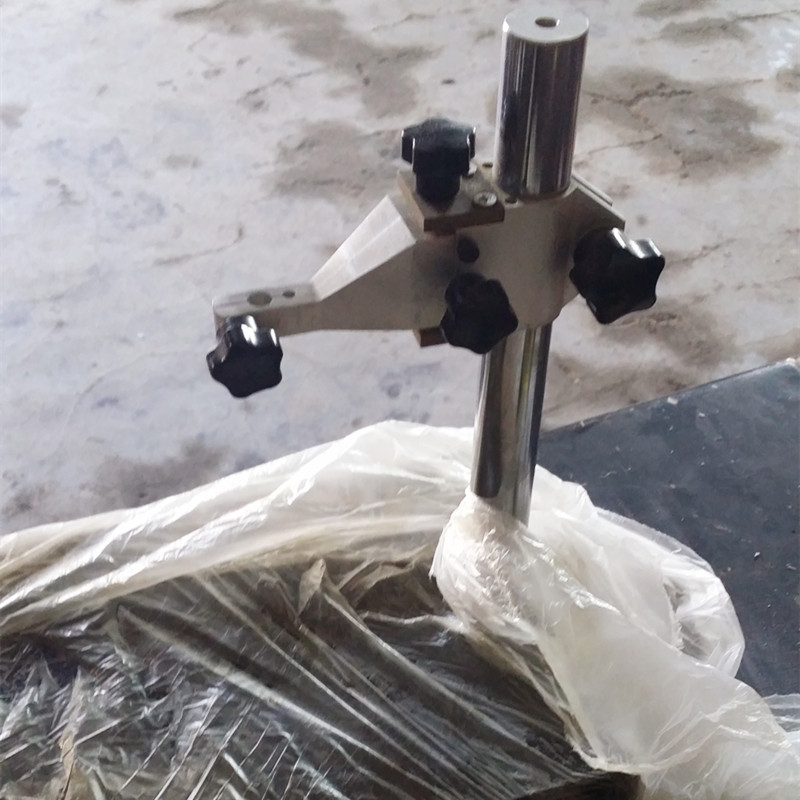
Understanding the Measurement Platform A Key to Data-Driven Decision Making In today’s digital age, where information is ubiquitous and technology is ever-evolving, the concept of a measurement platform has emerged as a cornerstone for businesses aiming to make data-driven decisions. But what exactly is a measurement platform, and why is it crucial for organizational success? A measurement platform is essentially a structured system designed to collect, analyze, and interpret data from various sources. It serves as a tool for businesses to gauge performance metrics and understand the effectiveness of their strategies, campaigns, and overall operations. The primary goal of this platform is to convert raw data into meaningful insights that can guide decision-making processes. One of the most compelling aspects of a measurement platform is its ability to consolidate data from multiple channels. In a world where customer interactions happen across websites, social media, mobile apps, email, and more, having a unified view of data is essential. This consolidation allows businesses to understand customer behavior holistically rather than in silos. For instance, analyzing customer engagement across different platforms enables businesses to identify trends, preferences, and areas for improvement. Key Components of a Measurement Platform To be effective, a measurement platform generally includes three key components data collection, data analysis, and reporting. 1. Data Collection This is the foundational step where businesses gather data from various sources. It often involves integrating different tools and technologies such as web analytics, social media metrics, customer relationship management (CRM) systems, and more. Tools like Google Analytics, Adobe Analytics, and other specialized software play crucial roles in this phase, ensuring that the data collected is accurate and comprehensive. 2. Data Analysis Once data is collected, the next step is analysis. This process transforms raw data into actionable insights. Various analytical techniques and methodologies are employed, such as statistical analysis, predictive analytics, and visualization tools. By analyzing data patterns, businesses can uncover valuable insights about customer behavior, market trends, operational efficiency, and potential risks. 3. Reporting The final component of a measurement platform is reporting, where insights are presented in a digestible format . Effective reporting tools visualize data through dashboards and charts, making it easier for stakeholders to interpret findings. Clear, understandable reports ensure that decision-makers have access to the information they need to formulate strategies and drive growth. measurement platform The Importance of a Measurement Platform The benefits of implementing a measurement platform are manifold. First and foremost, it enhances accountability within organizations. By establishing specific KPIs (Key Performance Indicators) and metrics, teams can track progress and performance with greater clarity, leading to more informed decisions. Moreover, a measurement platform fosters a culture of data-driven decision-making, encouraging teams to rely on evidence rather than intuition. Additionally, businesses can optimize their marketing efforts through better insights. By understanding which campaigns drive engagement and conversions, organizations can allocate resources more effectively, ultimately maximizing ROI (Return on Investment). Moreover, the ability to segment data allows for personalized marketing strategies, enhancing customer experiences and fostering loyalty. Challenges and Considerations Despite its advantages, creating an effective measurement platform is not without challenges. Data privacy concerns, integration issues, and the sheer volume of data can complicate the process. Businesses must ensure compliance with regulations such as GDPR and CCPA while maintaining data accuracy and security. Furthermore, organizations should be mindful of the importance of user training and adoption. Ensuring that teams are well-versed in utilizing the platform effectively is crucial for maximizing its benefits. Conclusion In conclusion, a measurement platform is an indispensable asset for modern businesses striving for growth and competitiveness. By providing a structured approach to data collection, analysis, and reporting, it equips organizations with the insights needed to make informed decisions. As technology continues to advance, the need for robust measurement platforms will become even more critical, paving the way for a future defined by data-driven success.
-

High quality industrial productsagement

High quality industrial products
View Details -

Meet the diverse needs of customers

Meet the diverse needs of customers
View Details -

Strict quality control

Strict quality control
View Details -

Top raw materials

Top raw materials
View Details -

Trusted supplier

Trusted supplier
View Details
Our application


news and information

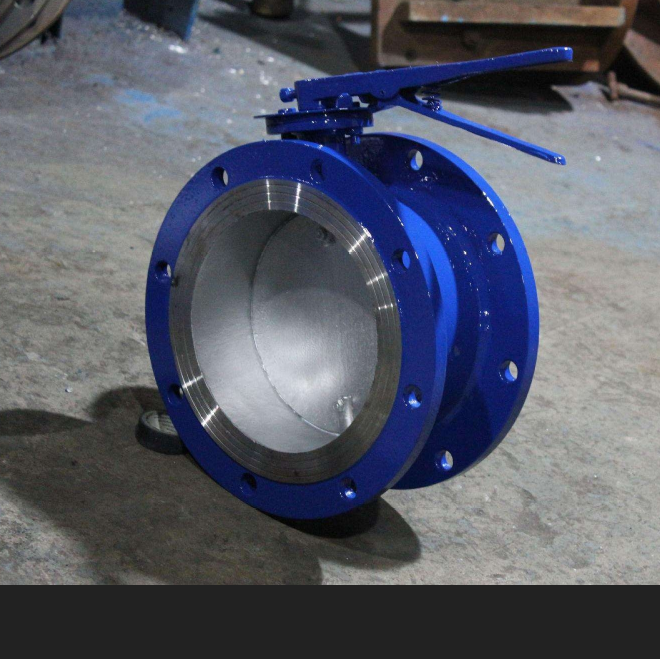
Válvula de compuerta de 500 mm para aplicaciones industriales y sistemas de tuberías
Válvula de compuerta de 500 mm Importancia y Aplicaciones La válvula de compuerta es un dispositivo
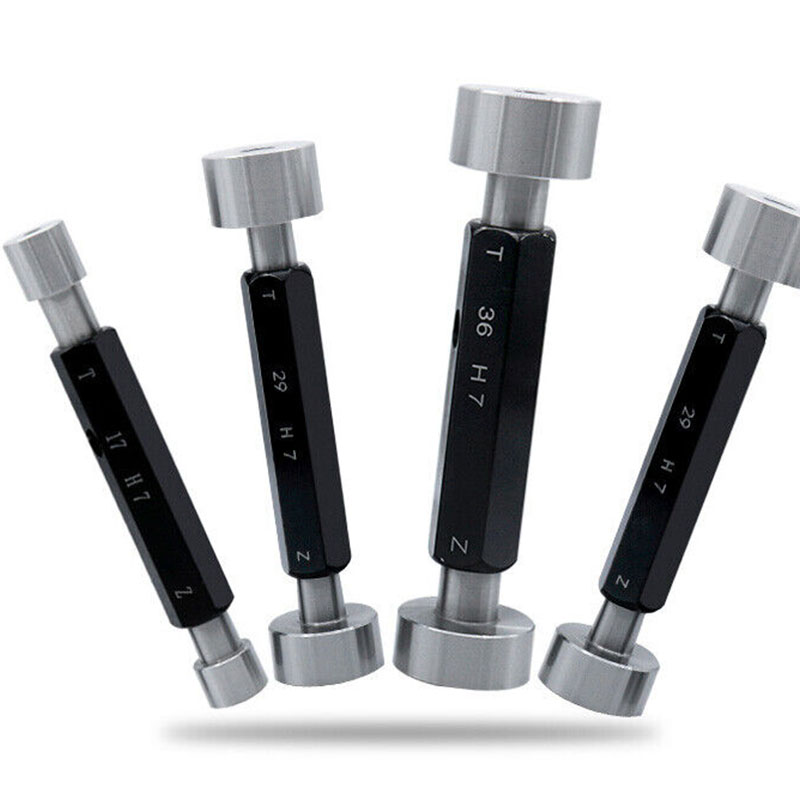
Welding Inspection Measurement Tool for Quality Assurance and Precision Assessment
Welding Inspection Ruler An Essential Tool for Quality Assurance in Welding Welding is a critical pr
water valve 1 2
Understanding Water Valve 1-2 Functionality and Applications Water valves are essential components i
 English